Mirror the Bear
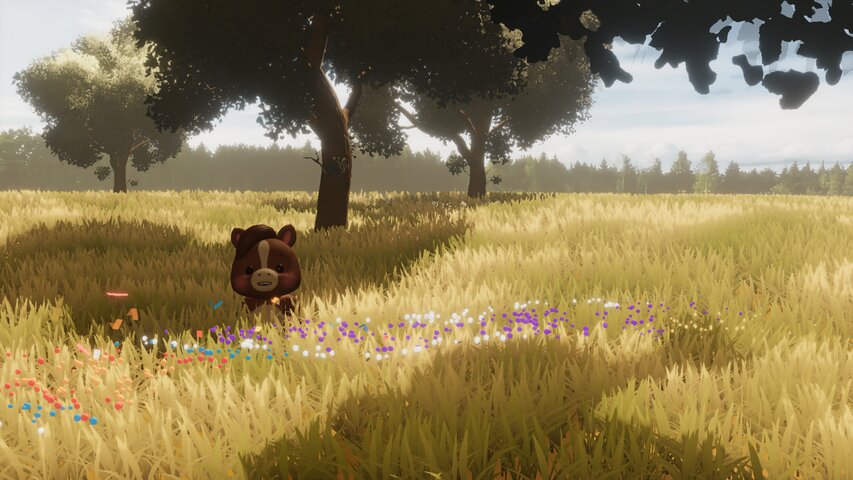
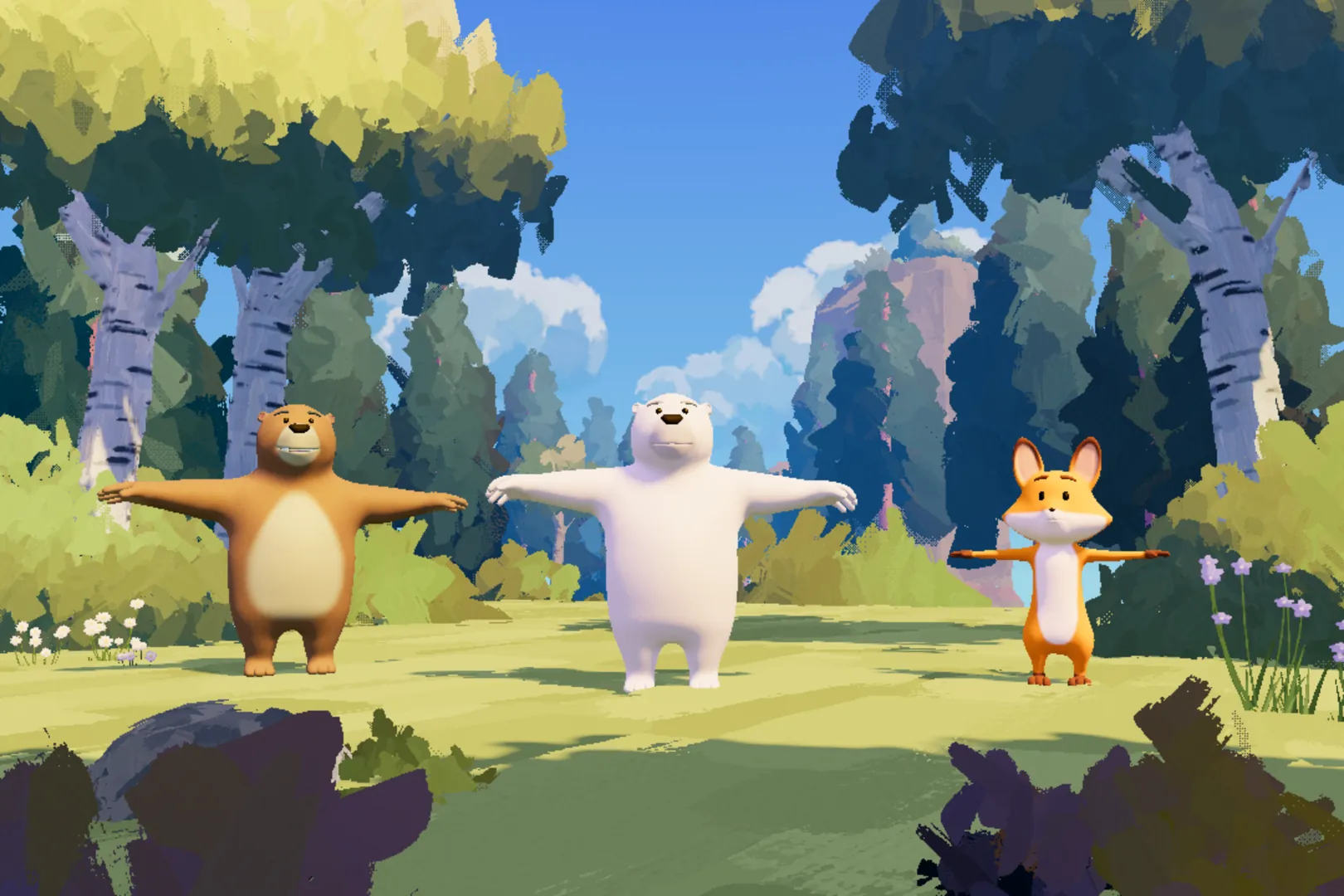
Copy Grandpa Bear's shapes with your arms, then your legs, and hold each one still while a bright circle traces round your bear.
What it works on
Builds body awareness, copying a movement you see, crossing the middle of the body, balance and holding still, the skills behind putting on a coat or standing on one foot to pull on a sock.
Helps a player who finds it hard to copy a movement, remember two moves in order or keep a pose steady, as in following a two-step routine.
The camera needs to see the upper body for the arms levels, which work standing or seated, and the whole body for the legs levels. Levels go up on their own as the player masters each one.
Skills it practises
What it records
| Measure | What it is | In the catalog |
|---|---|---|
| Accuracy | Answers that were right. | Response Accuracy |
| Help needed | How much help each answer took. | Prompt Level Required |
| Pose match | How closely a pose matched the one shown. | Pose-Match Error |
| Hands together | The gap between two hands that should land at once. | Bilateral Synchronisation |
| Reach range | How far a joint moves at its widest. | Range of Motion |
| Holding steady | How long a pose, pinch or push was held. | Hold Duration |
What therapists use it for
OT · Hands
Bilateral coordination: both arms into a pose, together
Mirror the Bear shows a pose, like both arms up in a V, and waits for the child to match it with their whole body in front of the camera.
RecordedPose matchHands togetherReach rangePT · Legs
Static balance: holding still in a pose
Mirror the Bear’s freeze rounds ask the child to hold the pose until the bear lets go, up to standing on one leg at its higher levels.
RecordedHolding steadyHelp neededABA · Hands
Motor imitation, with the prompt each try took
Every pose in Mirror the Bear is a trial: the bear models it, and each try records whether it matched and the help it took, from none to hands-on.
RecordedAccuracyHelp neededPose match